What it's like to live here
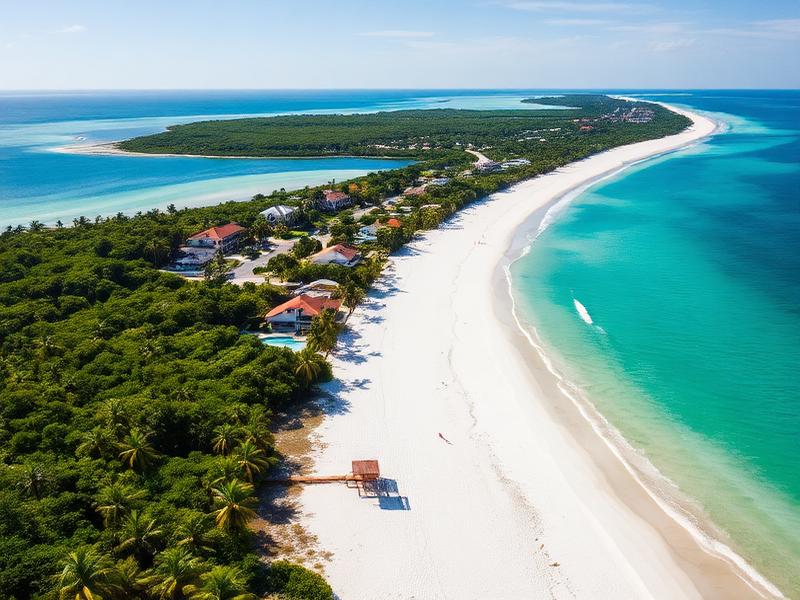
Life on Anna Maria Island is what happens when a Gulf Coast barrier island decides to stay small. With no buildings taller than three stories, no chain restaurants lining the main drag, and a deliberate resistance to high-rise development, the island has preserved an Old Florida character that most coastal towns lost decades ago. The result is a place that feels like a small coastal village rather than a resort town, even though tourism drives much of the local economy.
Mornings here might start with a walk to Pine Avenue for coffee and a bakery stop, then a ride on the free trolley to one of the pristine beaches. The rhythm changes with the seasons. Year-round residents keep things calm in late spring, summer, and early fall: quieter, but also hotter and more humid. In winter, the island fills with seasonal residents and visitors. Restaurants book up earlier, beach parking gets tighter, and the small-town character gets livelier during the cool, dry months.
The texture of life is built on small, predictable rituals: a morning walk along the Gulf instead of a treadmill, a quick bike ride or golf cart trip to handle daily errands, and the car staying in the garage more often than not. Local coffee shops stop being tourist stops and become your third place. You learn the shortcuts and the best time to cross the drawbridge. Over time, this low-stress rhythm becomes the reason most people stay.
What makes residents say this is home are the moments that do not exist elsewhere: sunset as a daily requirement, familiar faces greeting you at the market and along the pier, and the knowledge that a towering hotel will not block your view next year. But barrier-island living also means respecting nature. Storm awareness is part of life from late spring through fall, and modern construction standards have strengthened resilience island-wide.
Who moves here
Anna Maria Island is not one neighborhood but three distinct cities, each with its own character, zoning rules, and buyer profile. Understanding the differences is essential to finding the right fit.
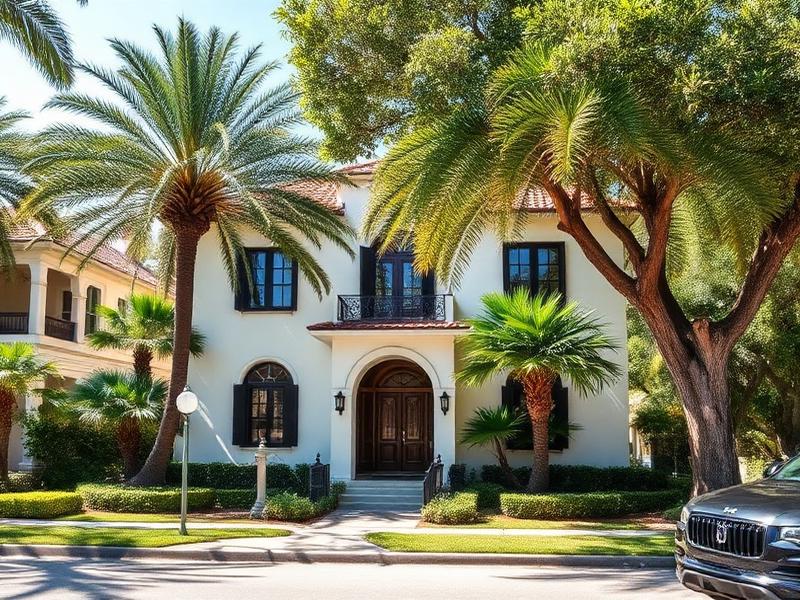
Anna Maria City at the north end feels the most residential and the most small-town island of the three. You will find slower streets, fewer commercial pockets, and more emphasis on homes rather than a bustling tourist core. The vibe is quiet, classic Old Florida, with tree-lined streets and a community-focused atmosphere. Buyers here tend to be retirees, second-home owners who prioritize quiet, full-time residents who want a slower pace, and higher-end buyers who value privacy over nightlife. Prices run generally premium, especially near the Gulf.
Holmes Beach in the middle is the practical center of the island. It has the most day-to-day convenience: groceries, small retail, year-round services, and a broad mix of housing options, from condos to canal homes to single-family neighborhoods. This is where you will find the island's main supermarket. Buyers here include families, year-round residents, snowbirds who want comfort and predictability, and investors who understand zoning. The price range is wide, from condos to luxury properties.
Bradenton Beach at the south end has the most vacation-town energy, especially around Bridge Street with its restaurants, shops, and pier views. This is where you will feel the energy of short stays the most. Buyers here tend to be second-home owners who actually want walk-to-dinner living, people who want a vacation vibe for their own use, and investors focused on guest experience and short-stay demand. Price ranges vary widely, with premium near the Gulf and Bridge Street.
The island's year-round population is small, so expect a friendly, small-town feel that gets livelier during the winter months. The demographic skews older, with retirees and snowbirds making up a significant portion. Remote workers and business owners who can prioritize lifestyle over proximity to a job center are also moving in.
Families do live on the island, but with trade-offs. The local elementary school is well-regarded and serves island families, but middle and high school students commute to the mainland, which adds real drive time during the school year, especially in season. Many families with older children opt for mainland Bradenton neighborhoods with easier school access and save the island for weekend beach days.
Common motivations for relocating from out of state include Florida's lack of state income tax, the year-round sunshine, the laid-back coastal lifestyle, and the island's protected low-rise character. The trade-offs are consistent: you gain daily beach access, walkable community, and small-town charm, but you accept high housing costs, serious insurance premiums, the realities of barrier-island maintenance, and seasonal congestion that spikes during the winter months.
Housing and cost
The cost of living on Anna Maria Island is high, and housing is the reason. If you strip out the mortgage or rent, day-to-day expenses like groceries, utilities, and gas are only slightly above what you would pay on the mainland. But real estate on a barrier island with no high-rises, limited inventory, and heavy vacation rental demand makes the math serious.
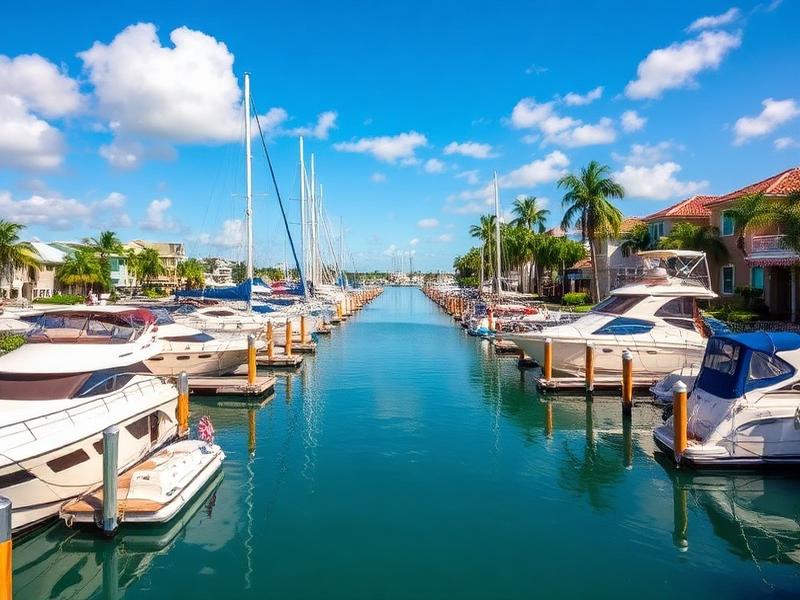
Single-family home prices typically land in the low to mid seven figures, with active listings often priced between two and three million dollars. Older cottages or fixer-uppers start around one point two to one point six million. Updated single-family homes generally run from the high one-point-seven to high two-point-eight million range. Canal-front or bay-view properties with docks command two point five to five point five million. Gulf-front or direct beachfront properties routinely reach five to fifteen million or more.
Condos and smaller options are more common in Holmes Beach and Bradenton Beach than in Anna Maria City. Prices vary widely based on location and proximity to the water.
Inventory is structurally constrained. Because of the thirty-five-foot building height limit, there are no large towers to absorb demand. Every transaction involves a detached home, a duplex, or a small cottage, which means supply is limited in a way that other Gulf addresses are not.
Long-term rentals are a different challenge. Because short-term vacation rentals remain profitable, few owners are willing to commit to annual leases. When year-round rentals do surface, a two-bedroom typically runs several thousand dollars per month.
Monthly expenses beyond the mortgage are manageable once housing is handled. Electricity runs modestly higher in peak summer. Groceries for a couple run a bit above the national average. Dining out for lunch is reasonable, and dinner for two with drinks runs accordingly.
The island sits at a premium compared to Siesta Key, which has slightly lower median prices. Longboat Key occupies a similar high tier. Mainland Bradenton and Sarasota offer significantly lower price points. Many buyers who love the island lifestyle but do not want to commit to island pricing end up purchasing on the mainland, a fifteen to twenty minute drive to the island, and treat the beaches as their backyard.
The entire island is a barrier island under mandatory evacuation in major storms. Flood zones, elevation requirements, and wind exposure all run high here.
Schools and families
Anna Maria Island has limited on-island school infrastructure, which shapes the family experience significantly.
The island's elementary school is highly rated and serves Pre-K through fifth grade right on the island. It offers island children a distinctive island-kid upbringing that is increasingly rare.
Middle and high school students commute to the mainland. Options include public high schools as well as several well-regarded private schools serving Pre-K through twelfth grade. The commute adds real drive time during the school year, especially in season.
Several on-island options serve younger children, including daycare and learning centers, preschools, and childcare facilities.
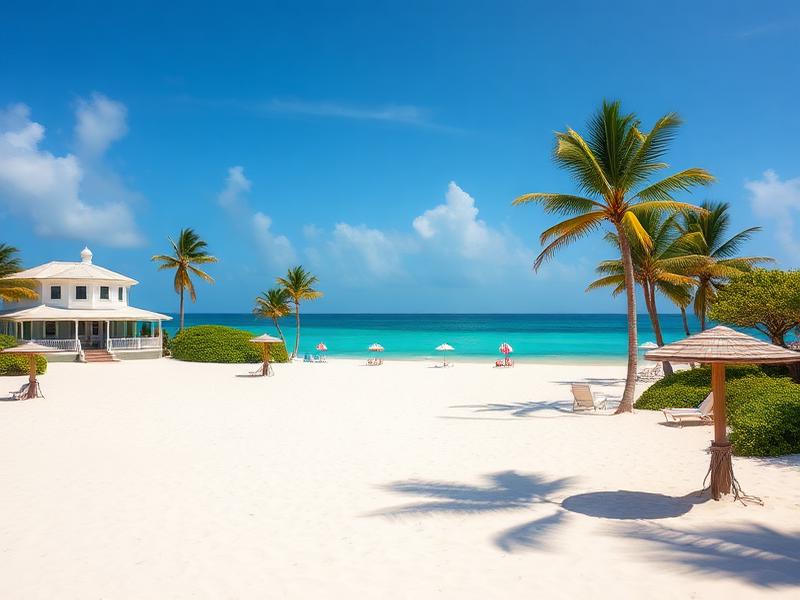
The island offers numerous options for families. The beaches at the north end are known for wide sands and a serene feel. Other beaches offer ample parking, playgrounds, and picnic areas. Bayfront parks provide picnic tables, playgrounds, and stunning bay views. Nature preserves offer scenic walking trails and wildlife viewing.
The family trade-off is clear: you gain a highly rated elementary school and an unparalleled beach-focused childhood, but you accept that middle and high school require mainland commutes and that on-island activities for teenagers are limited. Many families with older children opt for mainland neighborhoods with easier school access and save the island for weekend beach days.
Getting around
Getting around Anna Maria Island is refreshingly different from most Florida destinations. Cars are permitted, but the island is known for non-car alternatives.
The free trolley is the crown jewel of island transportation. The free island trolley runs the length of the island every twenty minutes and is a popular way to skip parking headaches. You can hop on and off as you please, with numerous stops throughout the island providing easy access to popular attractions, beaches, and dining options.
Biking is an excellent way to cover more ground while enjoying the natural beauty. Bike rentals are readily available, and this eco-friendly option allows you to discover hidden gems and scenic spots at your own pace. Many residents use bikes for daily errands and recreation.
Golf carts provide a unique and fun way to get around. Golf carts allow you to explore the island at your leisure and can access areas that may be less pedestrian-friendly. Many residents use street-legal carts following local rules for safety and parking.
Walking is a delightful way to explore, especially on Pine Avenue in Anna Maria City with its cafes and boutiques, and Bridge Street in Bradenton Beach with its restaurants, shops, and pier views.
Parking is tightly managed, especially near beach access points. During peak season, parking gets tighter, which is why many residents rely on the trolley or bikes.
Nearby airports include a larger international airport about an hour away with more frequent flights and carriers, and a smaller regional airport quite close to the island but with less flight traffic.
A typical day getting around might mean walking to Pine Avenue for morning coffee, taking the free trolley to the beach for the afternoon, biking to dinner near Bridge Street, and never starting your car once. For mainland errands, hospital visits, and airport trips, a car remains useful. But on-island, the car can stay parked for days at a time.
We can answer questions, share what we're seeing on the ground, and help you think through whether it's the right fit. No pressure, no obligation.
What locals say
"There's nowhere else like it on the Gulf coast. It still feels like the old Florida my grandparents talked about."