What it's like to live here
Life in Downtown Sarasota moves at the rhythm of a compact, walkable urban core that manages to feel both energetic and relaxed. The city has cultivated a genuine pedestrian culture, and for residents who live here year-round, that shapes every aspect of daily life. Mornings start with coffee at a local cafe, a walk to the Saturday farmers market on Lemon Avenue, or a jog along the bayfront as the sun rises over Sarasota Bay.
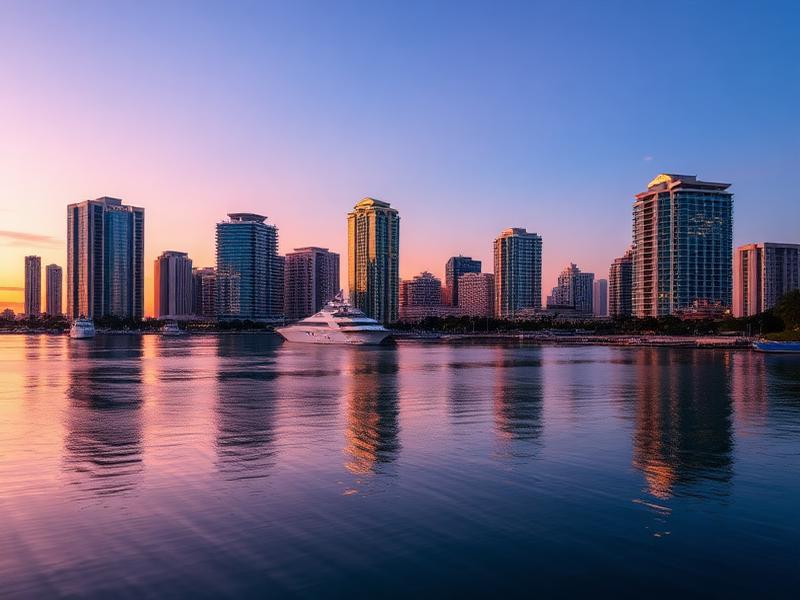
The downtown core functions as a connected series of distinct districts: the Cultural District with its theaters and galleries, the Waterfront District along the bay, the historic Burns Court neighborhood with its bungalows and indie cinema, and the growing Rosemary District. Main Street serves as the pedestrian spine of downtown, and the city has been actively investing in wider sidewalks, improved landscaping, street trees, and expanded outdoor dining to make the corridor even more walkable. Residents consistently prioritize outdoor dining and shopping, reflecting the neighborhood's deep appetite for pedestrian-friendly living.
The texture of life here is built on small rituals: walking to the bayfront performing arts hall for a show, grabbing dinner at any number of dining options within a few blocks, strolling through the park at sunset, and never being more than a few blocks from a gallery opening or live music venue. The cultural anchors, from the Ringling museum complex to the opera and repertory theaters, are woven into the fabric of daily life, not just occasional destinations. Evenings can shift from gallery nights to sunset walks without much planning.
Who moves here
Downtown Sarasota attracts a distinctive mix of demographics. The population blends younger professionals, empty nesters, retirees, and a growing number of remote workers. The median age sits in the mid-to-upper forties, with roughly a quarter to a third of residents aged 65 and older, creating a unique community where retirees and young professionals share the same sidewalks and coffee shops.
Many buyers are relocating from out of state, particularly from New York, Illinois, California, and New Jersey, drawn by warm weather, lower taxes, the coastal lifestyle, and downtown's walkable urban environment. The buyer mix has shifted notably toward investors and second-home or seasonal buyers, while first-time buyers face financing and inventory challenges. Medical professionals affiliated with the main hospital campus, employees of arts and education institutions, and hospitality workers also form significant portions of the downtown workforce.
The trade-offs residents weigh are consistent: they gain walkability, culture, and a compact urban lifestyle but accept that parking remains part of daily life, that space comes at a premium, and that downtown's energy means less of the quiet seclusion found in suburban or island neighborhoods.
Housing and cost
Downtown Sarasota's housing market is defined by constrained inventory, rising prices, and a strong tilt toward condos and townhomes rather than single-family houses. The median condo price sits in the high six figures, while single-family homes command significantly more depending on location and condition. Inventory remains tight, keeping upward pressure on prices, and properties in desirable buildings move quickly.
Condos dominate downtown. Most downtown residences are mid- and high-rise condos with walkable amenities, bay views, and access to arts and culture. Entry-level condos can be found in the mid-hundreds of thousands, while luxury high-rises with waterfront views command well into the millions. Condo association fees are a meaningful consideration, often running from several hundred to over a thousand dollars monthly depending on the building's amenities and age.
Single-family homes are rare in the downtown core. Limited inventory means premiums on lot size, with historic neighborhoods like Burns Court offering bungalows that command scarcity-driven prices. Townhomes offer a balance of space and lower maintenance, typically priced between mid-range condos and single-family homes.
Association dynamics deserve attention. Coastal condo fees have risen significantly in recent years, driven by insurance costs, new state building safety requirements, and deferred maintenance. Special assessments are a real risk: when a building needs a major repair and reserves fall short, owners can face assessments running tens of thousands of dollars. Newer buildings often come with modern features and updated construction standards, but association costs remain an important consideration regardless of building age.
The rental market has tightened as well, with higher rents and strong short-term and seasonal demand driven by tourism and remote workers. New construction and condo conversions are adding supply but have not yet meaningfully eased affordability pressures.
Downtown sits low along Sarasota Bay. Bayfront and west-of-301 buildings face real surge exposure — building elevation and construction matter a lot here.
Schools and families
For families considering downtown, the trade-offs are clear: you gain unparalleled walkability, cultural access, and parks, but most practical school and family needs require looking slightly beyond the immediate downtown core.
School options include both public and private institutions. The county school system serves downtown residents, with several highly regarded schools within a short drive. Private options include Catholic, Christian, and independent college-preparatory schools, as well as a globally recognized athletic training academy for families seeking specialized programs.
Parks and family-friendly attractions are where downtown and its surroundings truly shine. The bayfront park offers playgrounds, open space, and a beloved children's fountain. The botanical gardens feature a dedicated children's rainforest garden with a canopy walk and rope bridge, plus programs for toddlers and preschoolers. The circus museum includes hands-on activities, tightrope walking, and a playspace with slides and climbing areas.
Other nearby family destinations include a big cat sanctuary, jungle gardens with flamingos and hundreds of other animals, and an adventure course for older kids. While downtown skews older, the compact, walkable environment means kids can gain independence earlier than in car-dependent suburbs. For parents who work downtown or at nearby institutions, the commute to schools and activities is manageable, though a car remains useful for wider county travel.
Getting around
Getting around downtown Sarasota is the neighborhood's single greatest strength. The downtown core is a true walker's paradise, and that designation is backed by real infrastructure and planning.
Walkability is exceptional. The downtown core posts some of the area's highest walk scores, putting groceries, cafes, parks, the Saturday market, and cultural venues within easy reach. Main Street serves as the clearest pedestrian spine, and ongoing streetscape improvements continue to widen sidewalks, add landscaping and street trees, and expand outdoor dining. Residents can walk to dinner, the theater, the bayfront, and most daily errands without getting in a car.
Transit adds flexibility. Bus and trolley routes serve the area, with on-demand options and paratransit service available. The free beach trolley is especially useful, linking downtown with the shopping circle, the key beaches, and bayfront parks, operating long hours daily. Frequent service connects downtown to the college campuses.
Parking is managed but available. The city maintains covered parking garages within easy walking distance of Main Street and the waterfront. Parking remains part of daily life, but the system is designed to support downtown's density. The city's planning approach explicitly balances resident walkability desires with business parking needs.
Car-light, not car-free. This is an important distinction. Downtown Sarasota can support a car-light lifestyle, but a vehicle remains useful for wider county travel, trips to the beach, larger grocery runs, and less frequent errands beyond the downtown core. Many daily needs can be handled on foot or by transit, and for many residents, the car stays parked for days at a time. But for trips to the barrier islands, suburban shopping centers, or regional destinations, having access to a car still makes sense.
A typical errand loop from downtown might include walking to the grocery store for staples, stopping at the Saturday farmers market for fresh produce, grabbing lunch on Main Street, walking to the bayfront park in the afternoon, and meeting friends for dinner and a show in the evening, all without starting a car.
We can answer questions, share what we're seeing on the ground, and help you think through whether it's the right fit. No pressure, no obligation.
What locals say
"Theater, dinner, a walk along the bay, and home — all without driving. That's the whole pitch."