What it's like to live here
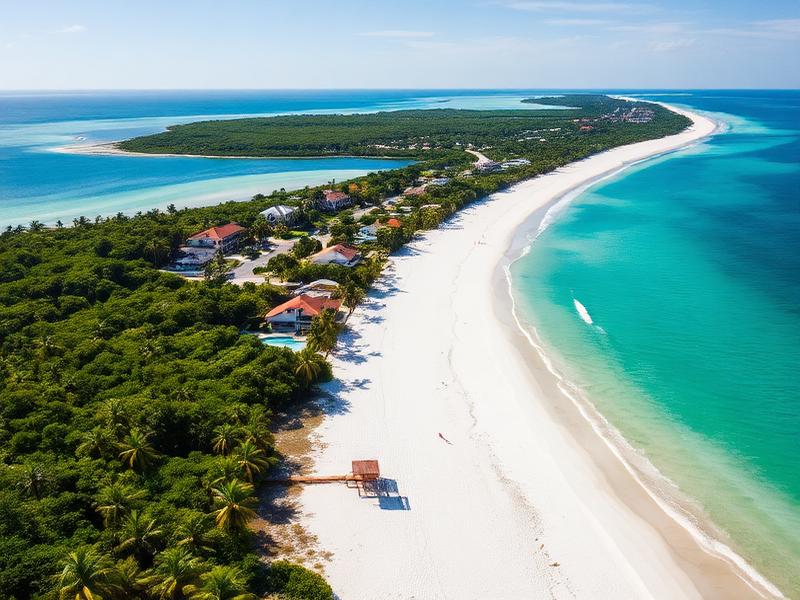
Life on Siesta Key moves with the tides, the seasons, and the beach, not the nine-to-five clock. Mornings often begin with a walk on cool quartz-crystal sand, followed by coffee in Siesta Key Village, the island's compact, walkable social hub. From November through April, the island is lively and visitor-filled. In late summer, it settles into a quieter, more local rhythm that year-round residents tend to prize.
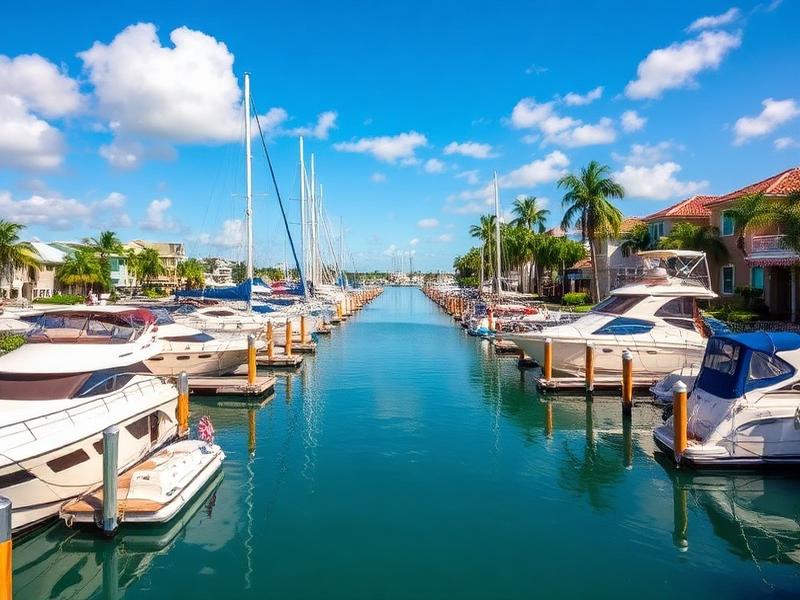
Living here comes with small island rituals. Residents learn when to cross the bridges, how to avoid peak tourist traffic, and how to batch mainland errands for groceries, appointments, and services. The everyday soundtrack is seabirds, paddleboards on the Intracoastal, beach cruisers, and casual conversations at cafes. The landmarks are personal: a favorite beach access, a preferred sunset spot, the village corner where neighbors tend to appear. It is a slower, outdoor-first way of life, but it works best for people who are comfortable with the logistical trade-offs of barrier island living.
Who moves here
Siesta Key attracts retirees, second-home owners, remote professionals, and investors who put beach lifestyle at the top of the list. The year-round population is relatively small and tends to skew older, with many residents drawn by the combination of waterfront recreation, social energy, and Florida's tax advantages.
Many buyers come from out of state, especially from higher-tax northern markets. They are usually weighing the same set of trade-offs: walkable beach access and island community on one side, seasonal crowds, limited on-island services, and higher housing and insurance costs on the other. The buyers who do well here are the ones who see the island's rhythms, including the busy months, as part of the lifestyle rather than an inconvenience.
Housing and cost
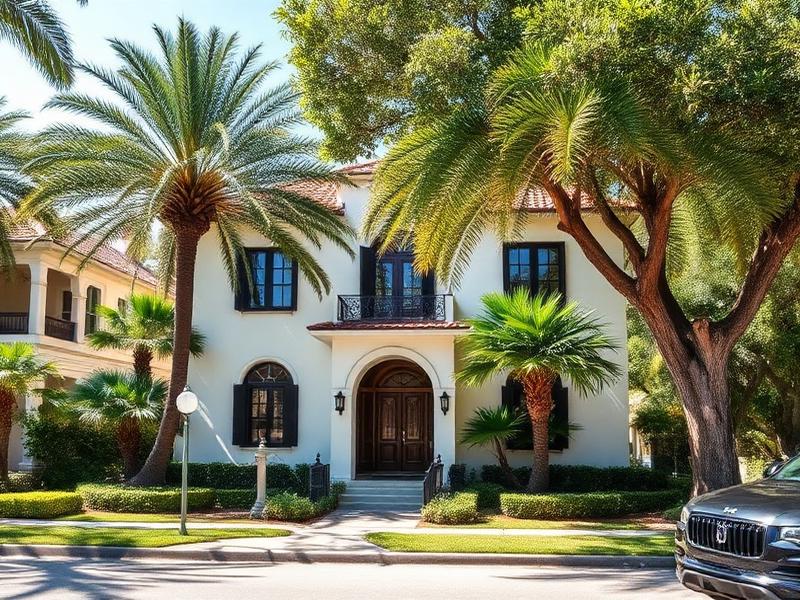
Housing on Siesta Key comes at a premium. Waterfront homes often list in the millions, and the overall cost of living is well above the national average. The island offers both condos and single-family homes, but inventory is limited, and desirable properties can draw competitive interest.
Buyers typically find more value in older concrete-block cottages or condos farther from the water. Beachfront, updated, and turnkey homes command the highest prices. Condo associations are common, and HOA rules can vary significantly, especially around rental restrictions. Some buildings require monthly minimums, while others are more rental-friendly.
Lot sizes are generally modest, and single-family homes require ongoing maintenance due to salt air, humidity, and storm exposure. For buyers considering vacation rental income, Siesta Key has a strong short-term rental market, but HOA rules, county regulations, insurance costs, and flood requirements all need careful review before purchasing.
Most of Siesta Key sits within FEMA Special Flood Hazard Areas. Storm surge, king tides, and evacuation orders are part of life on the barrier island — worth understanding before you buy.
Schools and families
Families on Siesta Key gain an exceptional outdoor lifestyle, but most practical needs require crossing the bridge into Sarasota. Schools, doctors, youth activities, and many everyday services are located on the mainland. Public school options are part of Sarasota County Schools, which has a strong reputation, but seasonal traffic can affect daily drop-offs, pickups, and after-school logistics.
The family-friendly benefits are close, but mostly off-island. Nearby options include The Ringling's Circus Museum, children's programming at Florida Studio Theatre, marine education at Mote Marine Laboratory & Aquarium, Sarasota Children's Garden, Sarasota Jungle Gardens, and Smugglers Cove Adventure Golf. Families who thrive here tend to be outdoor-oriented, flexible, and comfortable treating mainland Sarasota as their practical backyard.
Getting around
Getting around Siesta Key starts with understanding the bridges. Most errands, including groceries, medical appointments, and larger shopping trips, require crossing into Sarasota. During peak season from November through April, bridge traffic can build quickly, and a simple errand can turn into a 45-minute round trip.
On the island itself, walkability and biking are real advantages. Siesta Key Village is easy to navigate on foot, and many residents bike to dinner, the beach, or coffee. Still, daily life often involves more driving than buyers expect. Downtown Sarasota is typically 20 to 30 minutes away, depending on traffic and the time of year. For many buyers, the core question is simple: is the bridge crossing a fair trade for living this close to the sand?
We can answer questions, share what we're seeing on the ground, and help you think through whether it's the right fit. No pressure, no obligation.
What locals say
"We came for two weeks every winter, then we just stopped leaving. The beach really is that good."