Every home is different. The right upgrade depends on your budget, your home's age, and your specific needs.
Compare Home Improvement OptionsSee rates and terms from multiple providers. No obligation.
Impact Windows: More Than Just Storm Protection
Impact-resistant windows are common in coastal Florida homes. They are designed to withstand flying debris during high winds.
Benefits often cited by homeowners
- Protection during hurricane season
- Reduced outside noise
- Improved energy efficiency from less heat transfer
- No need for bulky storm shutters
What to consider
Impact windows cost more than standard windows. Installation requires a permit in most Sarasota County jurisdictions. Not all impact windows are rated the same, so look for Miami-Dade or Florida Building Code approval.
Roofing: Your First Line of Defense
Florida building codes have changed significantly in the last 20 years. Older roofs may not meet current wind uplift standards.
Asphalt shingles
Most common. Affordable but shorter lifespan in heat.
Metal roofing
Longer lasting. Reflects heat. Higher upfront cost.
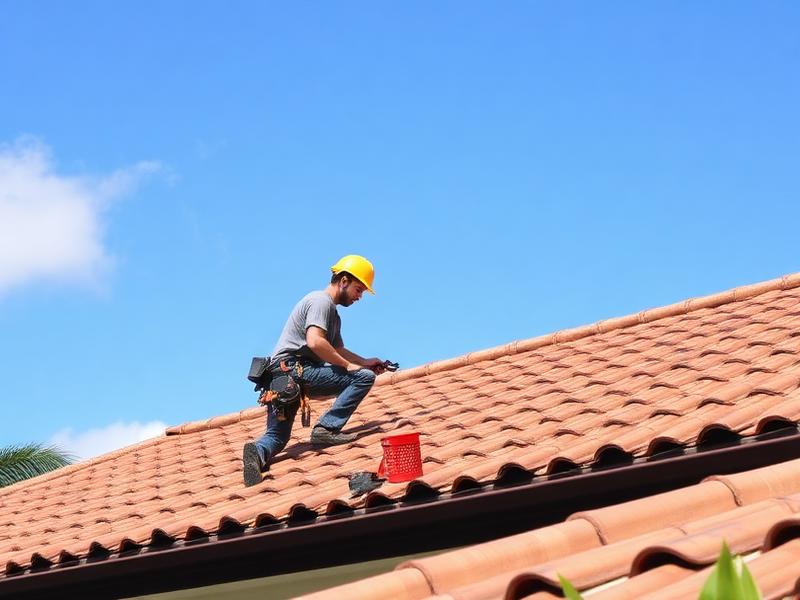
Tile roofing
Durable and classic Florida look. Heavy. Requires proper structural support.
When to pay attention
Most insurance providers pay attention to roof age. Roofs over 15-20 years old may face increased scrutiny.
Permit note
Roof replacement in Sarasota County requires a permit and inspection. Your contractor should handle both.
Gutters and Drainage: Small Changes, Big Impact
Florida's summer rains arrive fast and hard. Poor drainage can lead to standing water, soil erosion, and foundation issues.
Gutters and downspouts
Direct water away from your foundation.
French drains
Underground gravel trenches that redirect water.
Yard grading
Sloping soil away from your home's exterior walls.
Simple maintenance
Clean gutters twice per year, typically after dry season and again after peak storm season. Downspouts should extend at least 4-6 feet from your foundation.
Insulation and Ventilation: Beat the Heat
Attic temperatures in Sarasota can exceed 140 degrees Fahrenheit in summer. Proper insulation and ventilation reduce strain on your air conditioning system.
What to know
- R-value measures insulation effectiveness. Higher R-value means more heat resistance.
- Florida's recommended attic R-value is typically R-30 to R-60 depending on your system.
- Ridge vents and soffit vents allow hot air to escape.
Signs to pay attention to
- Upstairs rooms are much warmer than downstairs
- High energy bills during summer months
- Ice on your AC lines, which can indicate heat infiltration
A Note on Contractors and Permits
Florida law requires licensed contractors for most home improvement work over $500. Unlicensed work can create problems when you sell your home or file an insurance claim.
Before hiring anyone
- Verify their license with the Florida Department of Business and Professional Regulation
- Ask for proof of insurance, including liability and workers' comp
- Get multiple quotes in writing
- Never pay the full amount upfront
Summary: Where to Start
| If you want | Consider starting with |
|---|---|
| Storm protection | Impact windows or roof assessment |
| Lower energy bills | Attic insulation and ventilation |
| No standing water | Gutters and downspouts |
| Peace of mind | A licensed home inspection |
This content is for educational purposes only. Home conditions vary. Consult a licensed contractor, inspector, or agent before making decisions about your specific property.
Back to homeowner resources